Philosophy

The restaurant already runs on signal.
Someone has to read it.

Dynamic.ly exists because margin decays in the gap between what a restaurant knows and when it knows it. Everything we build follows seven commitments.

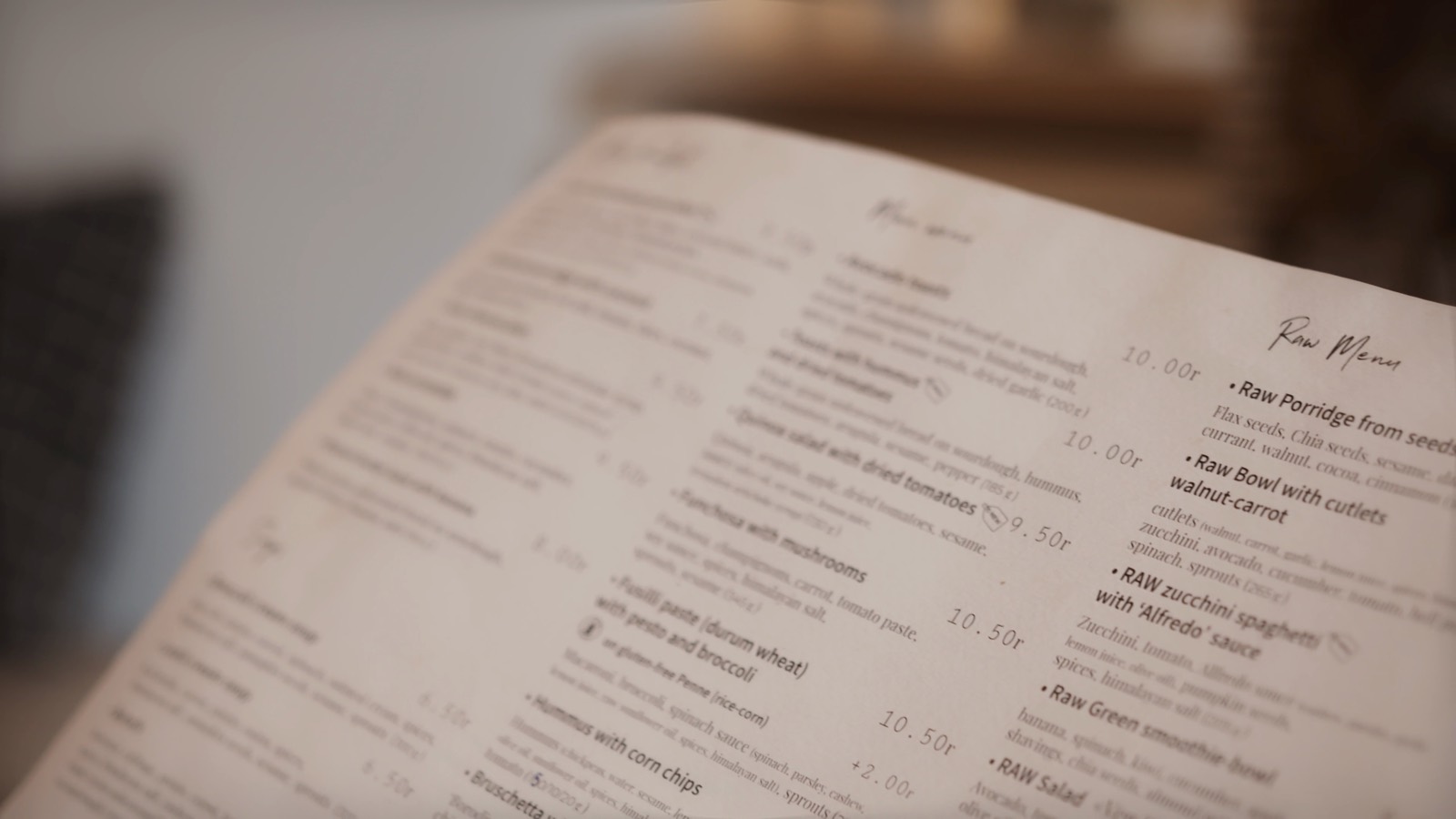
A printed menu on paper in low light
01

Restaurants do not need another dashboard.

Operators are not short on charts; they are short on time between the moment a cost moves and the moment it reaches the P&L. A dashboard asks you to find the problem. An operating layer brings you the move, with the evidence attached.

02

Margin moves before managers see it.

A cost gets heavier per portion on a Tuesday invoice. The dish stays priced for last month. Nothing looks wrong on the floor while the margin quietly moves. Speed is not a luxury feature of cost intelligence; it is the point.

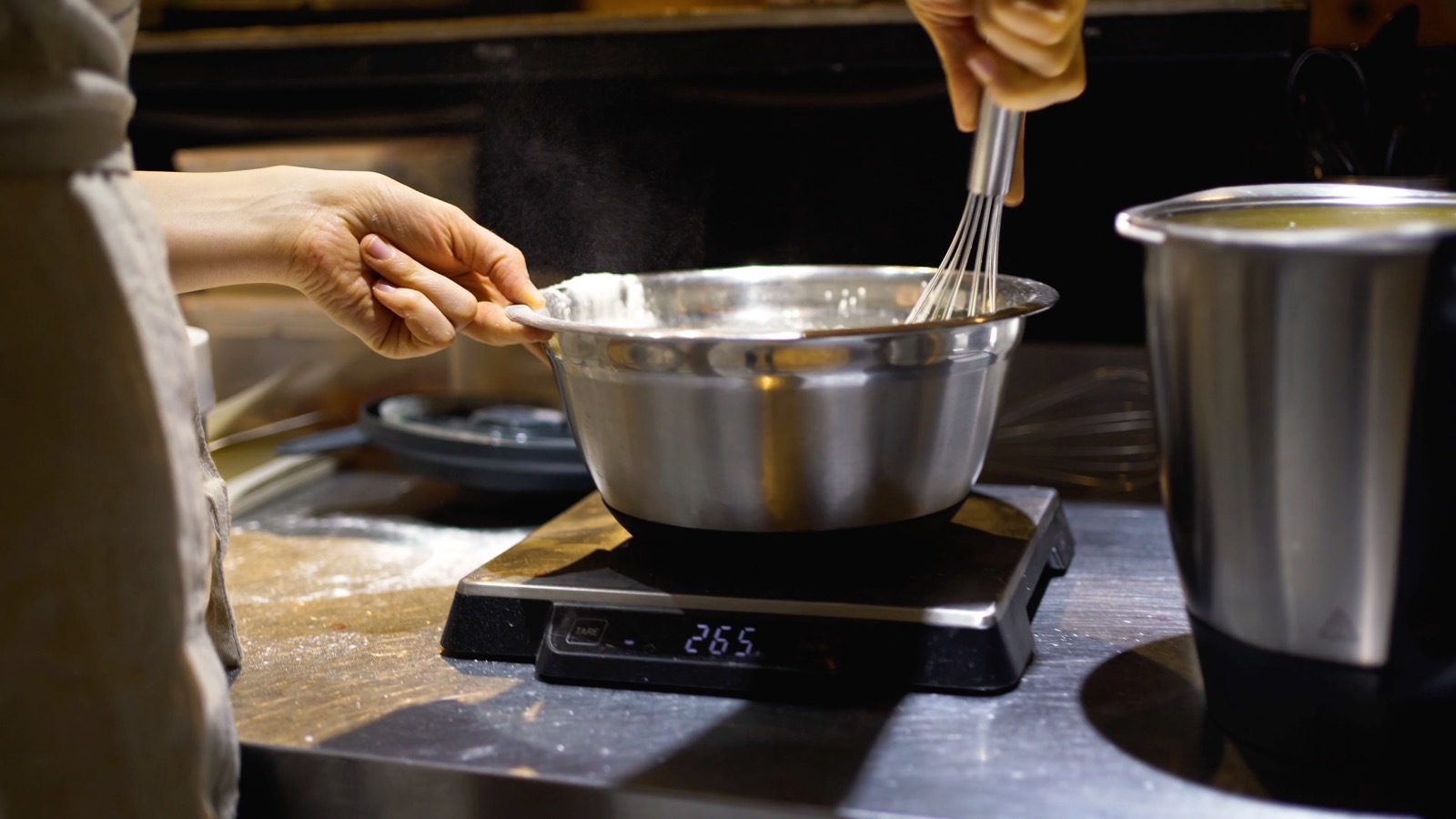
Weighing ingredients on a kitchen scale
03

Calculate what is true.

Plate costs, available servings, margin floors, and eligibility are arithmetic, not opinions. Deterministic rules own them. No model gets to guess a number a manager will act on.

04

Predict what is likely.

Demand by window, depletion by day, and the odds a lot expires unsold are predictions. They are labeled, carried with their confidence, and never presented as facts.

05

Recommend what is safe.

Every recommendation is bounded before it is ever shown: the floor it cannot cross, the window it lives in, the inventory it may touch. If the bounds cannot be computed, the recommendation does not ship.

A careful pour at the table
06

Let the manager decide.

Approve, edit, reject, or ignore. Four real options, honored every time. The manager is not a compliance step at the end of the pipeline. The manager is the point of the pipeline.

07

Learn from what happened.

Estimated impact and measured outcome are kept apart. When they disagree, that gap is valuable evidence and a reason to review the recommendation method.

The authority stays with the operator

Evidence can prepare the decision. It cannot own it.

See how it works